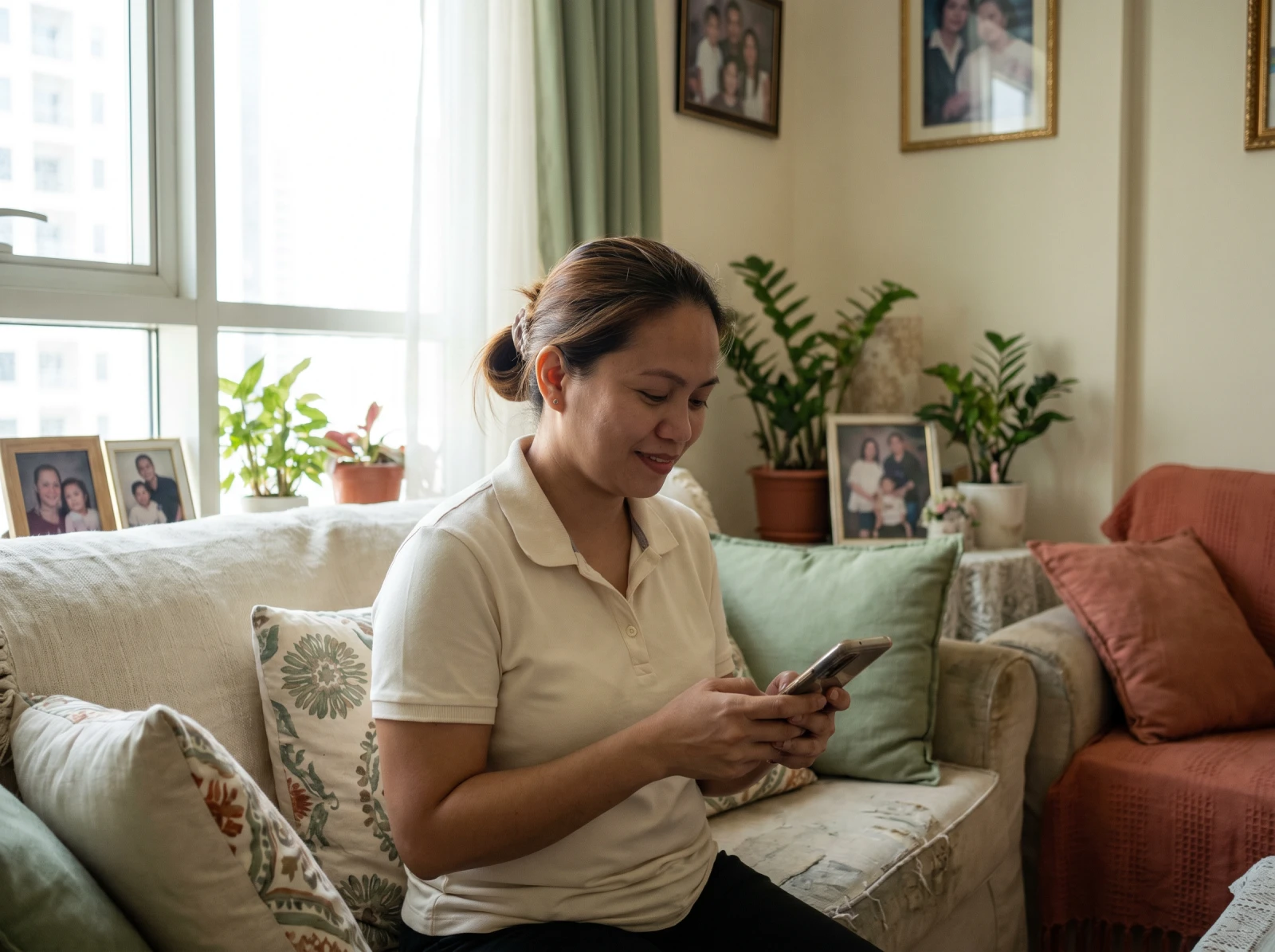
An interview is one good hour. A child needs the other twelve.
A structured, independently scored read on the things that decide the long rest of the week: patience when a day turns long, steadiness in a small emergency, and how warmly someone stays present with a child.
- AED 250 · per caregiver
- Trait-based profile
- Untimed
- Informs, never diagnoses
final price & VAT confirmed at checkout · English now, Arabic in progress
Certifying yourself? You’re in the right place Have a seat code? Redeem it

The five things an interview rarely shows you.
The assessment reports a small set of traits that shape ordinary, unglamorous care: not labels, and not clinical conditions, but tendencies, each read in plain language. We read the whole pattern together; no single score decides anything on its own.
-
Judgement
Decisions when no one is watching.
-
Patience
The hundredth “why?” answered kindly.
-
Reliability
Shows up, follows through, consistent.
-
Warmth
Genuine connection with children.
-
Composure
Steady when things go wrong.
Trait names and readings are illustrative of the assessment’s intended scope and will be finalised against the published instrument. We do not publish how a trait is scored or how the traits combine.
What the person being assessed experiences.
Respect is part of the method. A caregiver who is treated fairly gives you a result you can actually trust.
-

Invited with consent, in clear language -

Takes it online, at their own pace -
Sees their own result and what it means -

Carries the certificate to any employer
The report, before you pay for it.
One page of the actual deliverable, annotated so you can read it in five seconds. Nothing important sits behind the payment.
Psychometric Report · Specimen
Overall band: Balanced
- Judgement
- Patience
- Reliability
- Warmth
- Composure
Next step: one conversation worth having, written out in ordinary words a family can use.
- One overall band, not a pass or fail
- Every trait in plain language
- What to do next, in plain language
Best together: what they know + how they respond.
See the bundleQuestions, answered plainly.
Is the result private? It is sensitive.
Yes, and we treat it as sensitive personal information. A caregiver gives explicit, specific consent before they begin. The report is shared only with the person or agency who arranged the assessment, and the caregiver receives their own copy and certificate. Some processing happens outside the UAE during our current delivery phase, which we set out in full, with our data-residency plans, in our privacy notice.
Is this a personality test, or a clinical diagnosis?
Neither. It reads tendencies that shape ordinary care, not labels and not clinical conditions, and no single score decides anything on its own.
Who scores it, and against what standard?
It is scored to a documented, consistent rubric, independently of the agency or family who arranged it. The same standard applies to everyone, so the result is one all sides can read the same way. No buyer can move a score.
Can a caregiver game it, or answer the “right” way?
We read the whole pattern together rather than any single answer, the instrument is the same for everyone, and it is scored independently of whoever bought it. For agencies, each caregiver is invited with a single-use code, so seats cannot be casually shared or replayed.
Is it fair across language and background?
We are reviewing the wording so the assessment reads on temperament and judgement, not on language or background. We will publish the method behind that work as part of our methodology and validity page.
How do agencies buy in bulk?
You buy seats by card or invoice, invite each caregiver from your portal with a single-use code, and read every result in one place. See pricing.
More questions, including timing, devices, and languages, are answered on the FAQ page.
Know how they respond, before you rely on it.
AED 250 per caregiver · final price & VAT confirmed at checkout
This reads how they respond. Pair it with what they know.
An assessment informs a decision; it does not guarantee a caregiver’s suitability or safety, and it is not a clinical diagnosis.